Navigating the Cancer Journey: Innovative Treatments and Holistic Health Strategies
In the ever-evolving world of oncology, the fight against cancer is not merely a battle; it's a journey, one that transforms not only the patients but also the very landscape of cancer care. Imagine being on the frontlines of this transformative era, where innovative treatments are like beacons of hope shining through the murky waters of malignancy. This exploration of cutting-edge oncology shines a light on how we can reshape cancer care through revolutionary approaches. But what does this mean for those diagnosed with neoplasms and their loved ones?
Picture this: You’re sitting in the office of your oncologist, absorbing the gravity of the diagnosis—a tumor. The words ‘chemotherapy’ and ‘radiation therapy’ hang heavy in the air. However, today’s world of oncology offers more than just traditional methods. With advancements in clinical trials and breakthroughs in immunotherapy, patients can now access treatments that were considered science fiction just a few years ago. These innovative treatments not only target cancer cells more precisely but also help to minimize the collateral damage often associated with conventional options. Could it be that the future of cancer care is not just about killing cancer but enhancing the body’s own ability to fight it?
The world of cancer is often marked by periods of uncertainty and challenges. But amidst this struggle for survival, there lies a sphere of resilience fueled by knowledge and community. As we delve deeper into cancer awareness, we find that education is crucial not only for patients but for everyone engaged in the cancer community. Understanding the importance of screening and early detection opens doors to timely interventions. When patients and their families embrace health education, they arm themselves with the tools to advocate for their health, thereby promoting a sense of control and empowerment in a seemingly uncontrollable situation. How can we foster this sense of empowerment within ourselves and others?
But it’s not just about the medical treatments; the path to navigating cancer encompasses holistic health strategies that are essential for overall well-being. Nutritional support, lifestyle changes, and mental health are intertwined in a complex dance, impacting the effectiveness of any treatment plan. Imagine a survivor reflecting on their journey, stating, “Survivorship isn’t just about surviving cancer; it’s about thriving beyond it.” This resonates deeply as we recognize the importance of self-care in palliative care, emphasizing that each individual's story is unique and deserving of personalized approaches. Can we embrace these holistic strategies to not only enhance treatment outcomes but also foster a more fulfilling connection with our bodies?
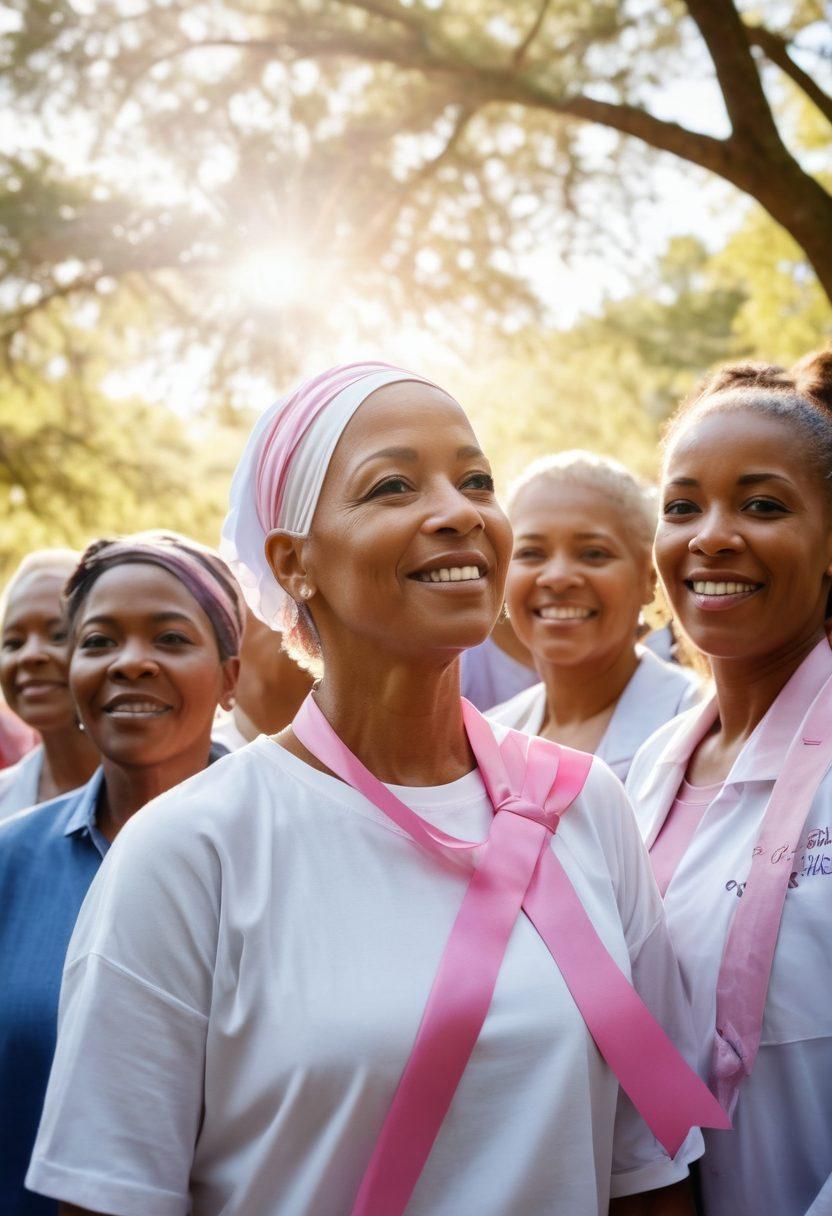
As we reflect on the innovative treatments transforming cancer care, we must also acknowledge the power of resilience found in support groups and patient advocacy. These networks allow individuals to share their journeys of living with cancer, enriching the lives of all involved. Consider the quote, “We don’t have to go through this alone,” which captures the essence of camaraderie in the face of trials. By actively participating in support groups, engaging in ongoing health conversations, and pursuing cancer research, one can contribute to the collective battle against cancer. Together, we can elevate each other’s experiences while pushing for advancements that redefine what survivorship really means. How can we, as both individuals and a community, dedicate ourselves to fostering this spirit of connection and change?
Holistic Health Approaches: Balancing Body, Mind, and Spirit on the Cancer Journey
In the quest to combat cancer, a multifaceted approach seems more important than ever. As we navigate the complexities of a cancer diagnosis, it can often feel overwhelming. The weight of terms like 'malignancy', 'neoplasm', and 'oncology' loom large, filling our minds with fear and uncertainty. But in the shadow of these intimidating words, a light shines through holistic health approaches. These strategies emphasize the delicate balance of body, mind, and spirit, paving the way for a more enriching cancer journey. After all, as the saying goes, 'It is not the years in your life that count, but the life in your years.' This perspective guides us to consider a whole-person approach to health, even when living with cancer.
Holistic health is about more than just addressing the obvious physical toll a tumor or malignancy can take. It’s also an acknowledgment of mental health and emotional well-being. Patients often wonder—what about the emotional scars left in the wake of chemotherapy or radiation therapy? That's where the concept of 'self-care' comes into play. Simple yet impactful lifestyle changes, such as incorporating mindfulness, meditation, or yoga into daily routines, can drastically improve one's outlook. After all, shouldn’t we treat ourselves with the same love and kindness we give to those we care about? By being present and attuned to our feelings, we can foster resilience, support healing, and enhance our quality of life during treatment and beyond.
Moreover, nutritional support is an integral aspect of the holistic health tapestry. The old adage 'you are what you eat' rings especially true during cancer treatment. Research suggests that certain diets can bolster the body's defenses against the negative effects of chemotherapy and improve overall well-being. Yet it’s not only about the food we consume; it’s about using health education to empower patients. Imagine attending a workshop on cancer prevention where freshly juiced greens and the healing power of turmeric are highlights. Why does this matter? Because informed patients can make educated choices and become their own best advocates towards survivorship.
Support groups are also crucial. They create a safe space where individuals can openly discuss their cancer journey, share experiences, and cultivate camaraderie. The importance of community cannot be overstated, often serving as a balm for emotional wounds inflicted by living with cancer. In these gatherings, personal stories resonate, and through shared laughter and tears, we find healing. As countless members of the cancer community have said, 'You don’t have to go through it alone.' This encouragement fortifies the spirit and exemplifies the societal role we all play in promoting holistic health strategies.
Finally, embracing this holistic view means recognizing the value of palliative care and the innovative treatments available through clinical trials and immunotherapy. These advancements in cancer research reflect a commitment to improve patient outcomes and quality of life. Patients should be encouraged to consult their oncologist about all possible options, including new treatments that may not have been widely adopted yet. Ultimately, making the transition towards a holistic health approach isn’t solely attributed to one aspect of care. It requires a blend of medical, emotional, and social support systems to transform how we perceive cancer and live meaningfully during—and even after—the journey.
Empowering Survivorship: The Role of Patient Advocacy and Community Support in Thriving with Cancer
Navigating the cancer journey can often feel like embarking on an uncharted expedition—one fraught with uncertainty and emotional turmoil. Among the myriad challenges faced by patients, the importance of empowerment through patient advocacy and community support stands out as a beacon of hope. Imagine finding a tribe of individuals who not only understand your struggles but also rally around you, providing the encouragement needed to thrive amidst malignancy. This blog will delve into the transformative role that advocacy and community play in the survivorship landscape, demonstrating how they can pave the way for enhanced well-being and resilience during and after treatment.
At the heart of survivorship is the notion of empowerment, which begins with self-advocacy. As patients, you are the experts of your own bodies and experiences. When discussing oncology treatment options like chemotherapy, radiation therapy, or innovative treatments such as immunotherapy, never hesitate to ask questions. Speak up about your treatment preferences, treatment side effects, or the emotional toll that living with cancer may take on your mental health. By advocating for yourself, you not only enhance your palliative care experience but also inform others in the cancer community about their rights and options, creating a ripple of positivity and awareness.
Support groups become the lifeboats for those navigating stormy seas of cancer treatment and survivorship. These communities provide a safe space for sharing experiences, fears, and victories. They allow individuals living with cancer to bond over their journeys, find common ground, and realize they are not alone in their battles. Whether through local meetups or online forums, the connections formed within these groups can foster healing and resilience. As they say, "A burden shared is a burden halved." Have you reached out to a support group yet? If not, what might be holding you back?
The significance of health education cannot be overstated when it comes to community support. Knowledge is power! From screening and early detection to nutritional support and lifestyle changes, patients armed with information are better prepared to make informed decisions. Engaging in cancer awareness initiatives not only empowers you but also creates a ripple effect in your community. Host educational workshops, participate in awareness campaigns, or collaborate with local health organizations to spread the word. After all, a well-informed community is a resilient one.
Finally, let us not forget the role of innovative treatments and ongoing cancer research in this narrative. By participating in clinical trials, patients contribute to the larger fight against cancer and offer hope for future generations. Together with patient advocacy and community solidarity, these advancements pave the way for successful survivorship. Remember, living with cancer is not solely about surviving; it’s about thriving. How can you incorporate self-care and holistic health strategies into your life to cultivate a fulfilling existence after a cancer diagnosis? Consider the importance of mental well-being alongside physical health as you embark on this transformative journey.